



The work
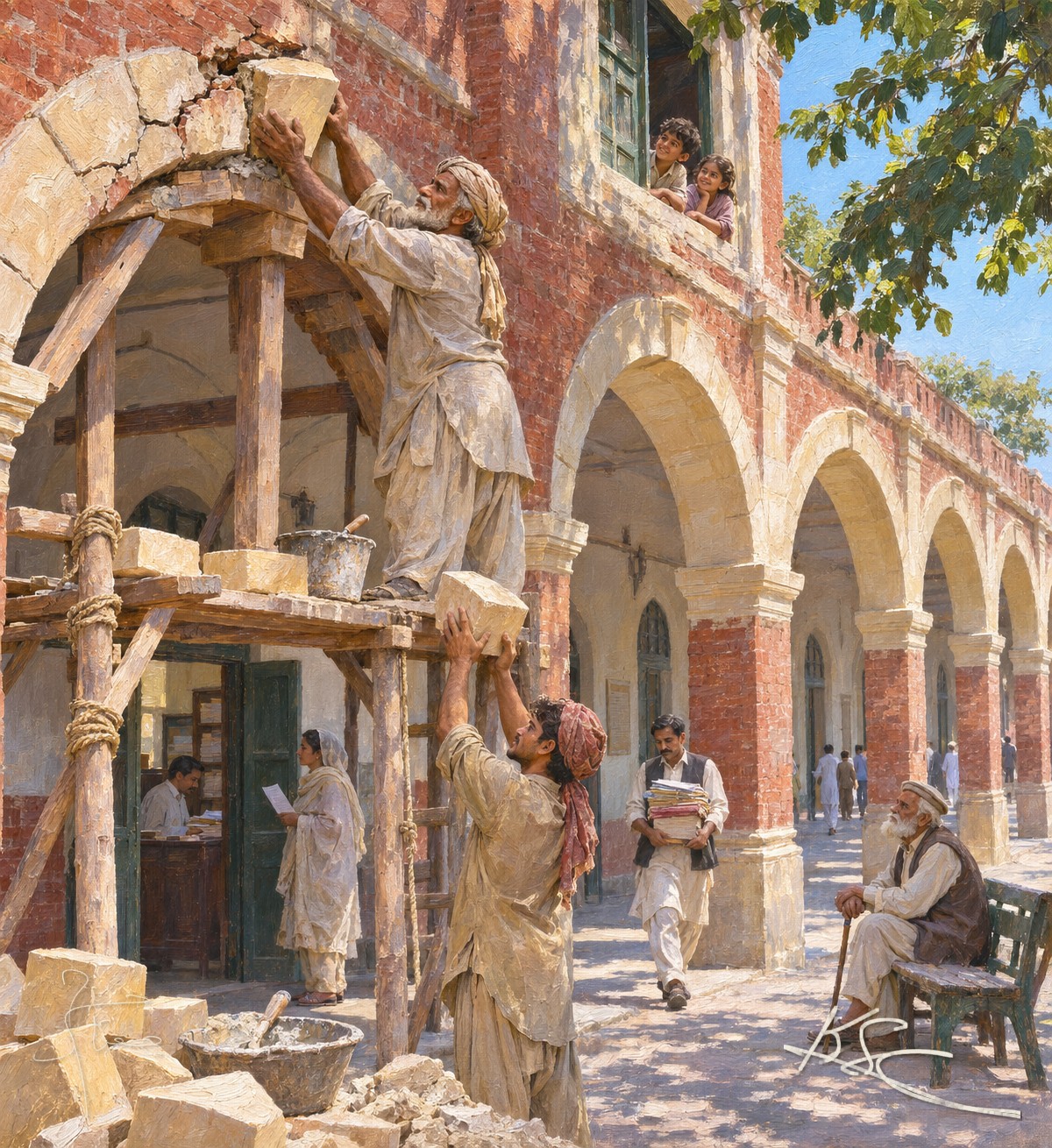
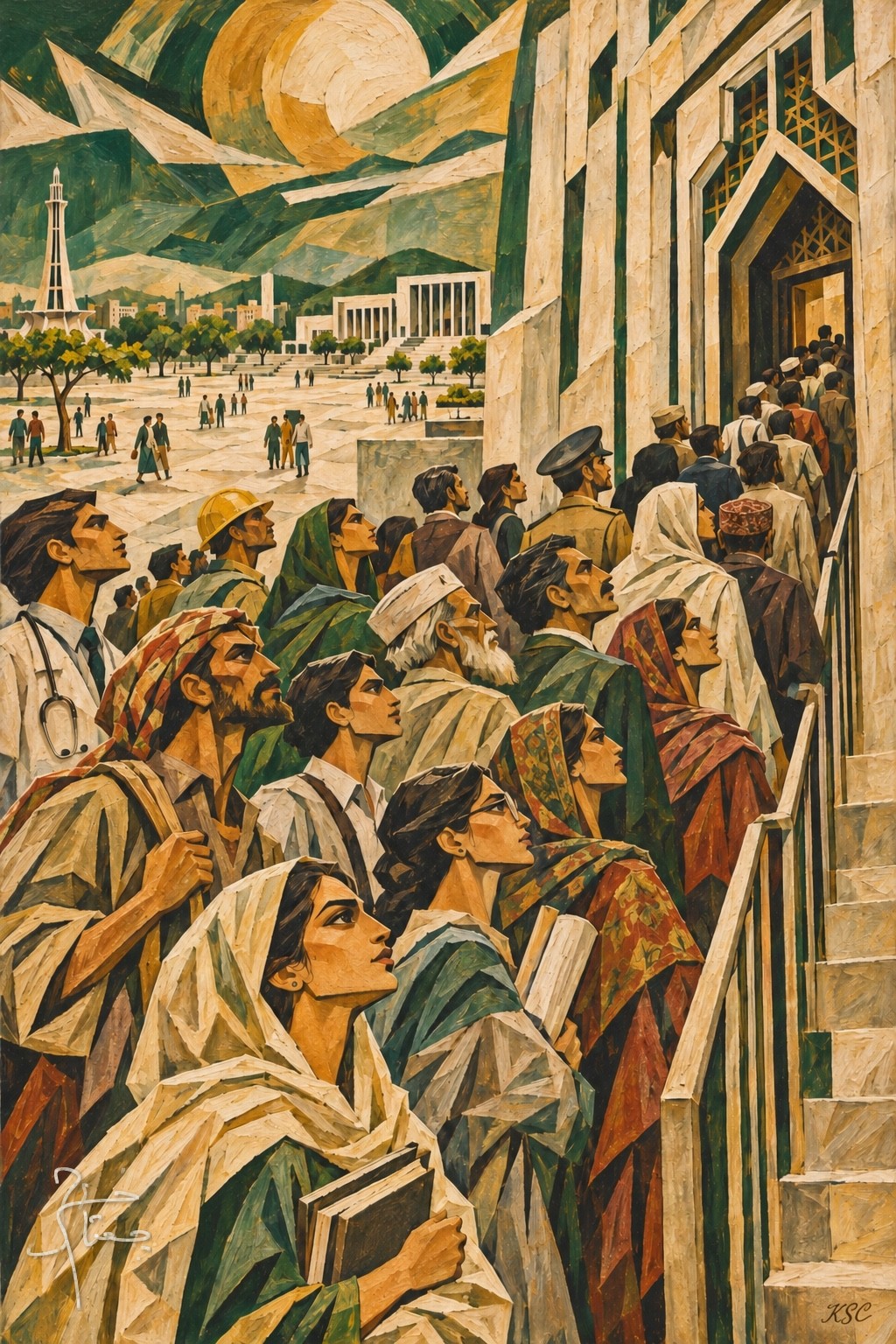
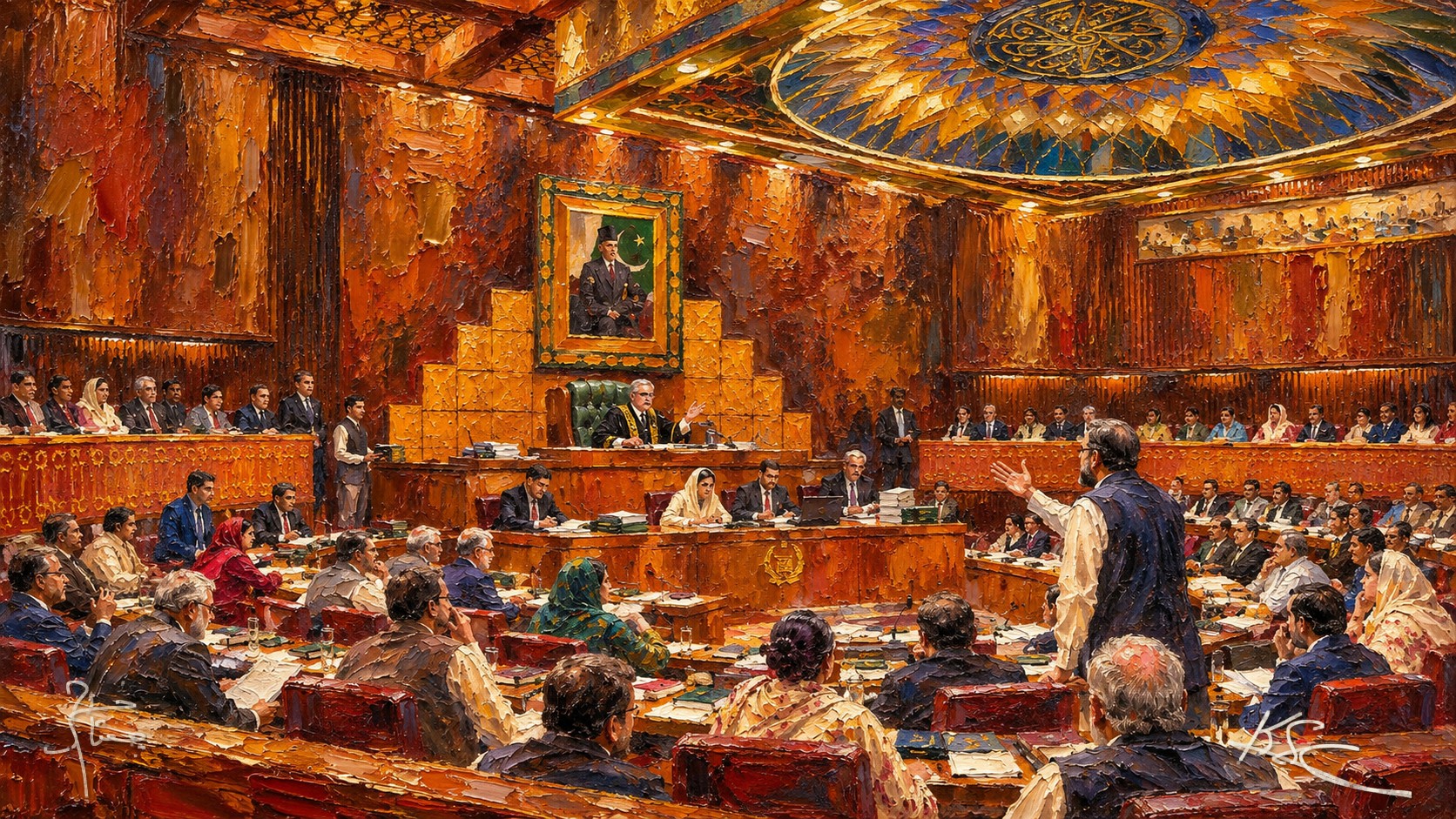
Five Books, every chapter with its painting.
By Khurram Chughtai. Every chapter is listed here with its painting and opens in the reader. The full text with its notes is open to invited reviewers. To ask to review, or to send a comment, write to the author. The other KSC.JUSNREM books and research are in the library at jusnrem.digital.
- Book OneThe Constitutional ImperativesParts I, II, III · Chapters 1–17
- Book TwoThe Constitutional Settlement and the Allocation of PowerParts IV, V, VI, VII · Chapters 18–37
- Book ThreeReconstituting the Constitutional OrderParts VIII, IX, X, XI · Chapters 38–53
- Book FourThe Digital and Intelligent Constitutional OrderPart XII · Chapters 54–72
- Book FiveRedefining the Constitutional OrderPart XIII · Chapters 73–78
Book One
The Constitutional Imperatives.
Part IThe Constitutional Problem and Purpose
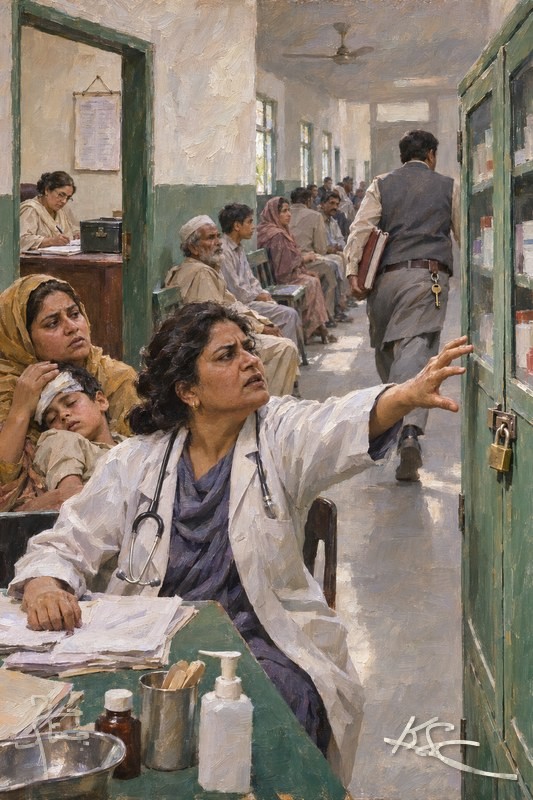
Chapter 1The Constitutional Problem of Public PowerTopics 1 to 24
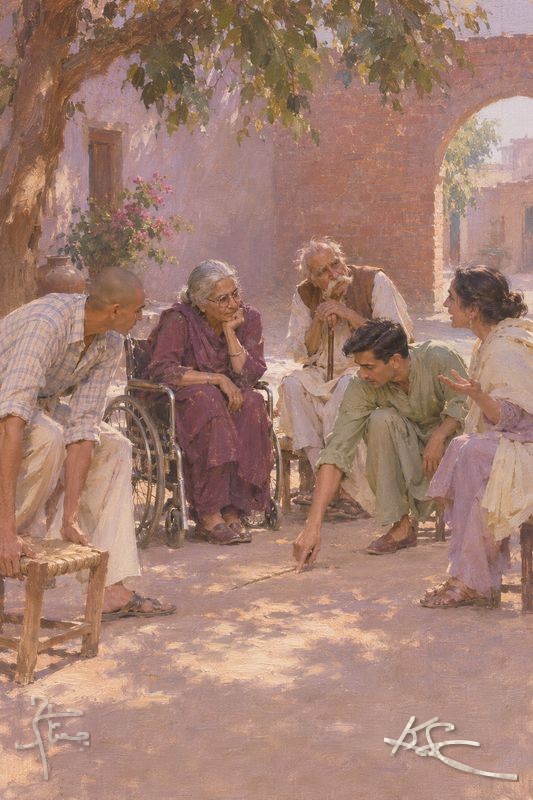
Chapter 2Purpose, Scope and Transformative CommitmentsTopics 25 to 48
Part IIHow Public Power Was Constituted

Chapter 3Colonial Rule: Governance and Administrative InheritanceTopics 49 to 80
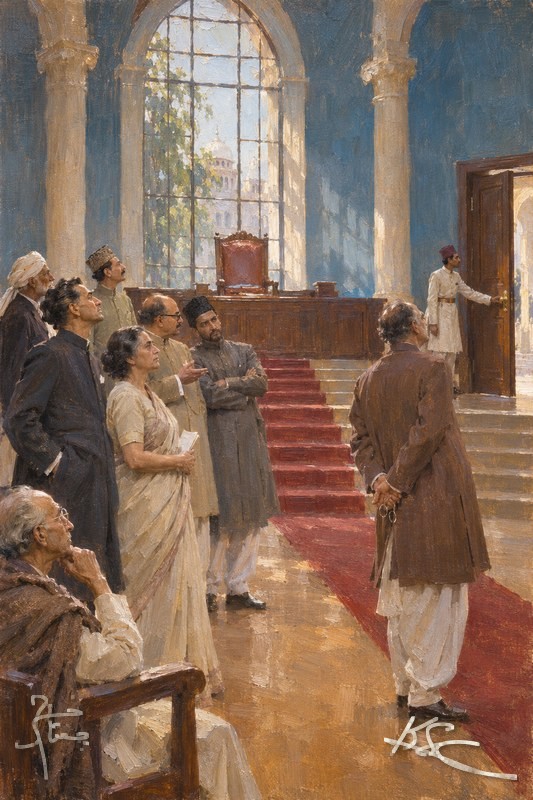
Chapter 4Constituting Pakistan, 1947 to 1956Topics 81 to 95
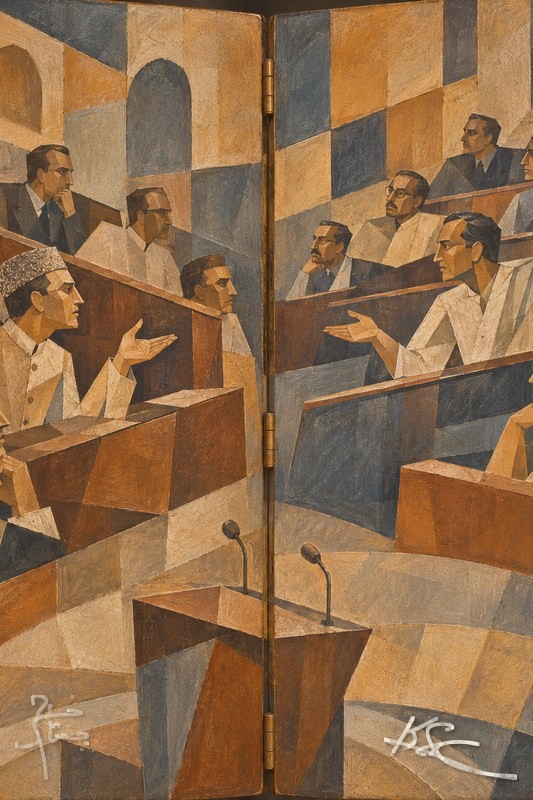
Chapter 5The 1956 Constitution and the Crisis of Federal SettlementTopics 96 to 129
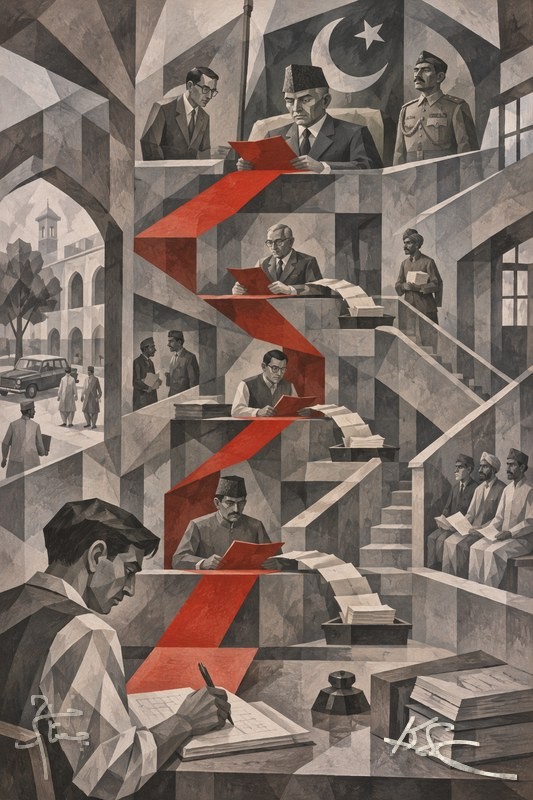
Chapter 6The 1962 Constitution and the Presidential Administrative StateTopics 130 to 165
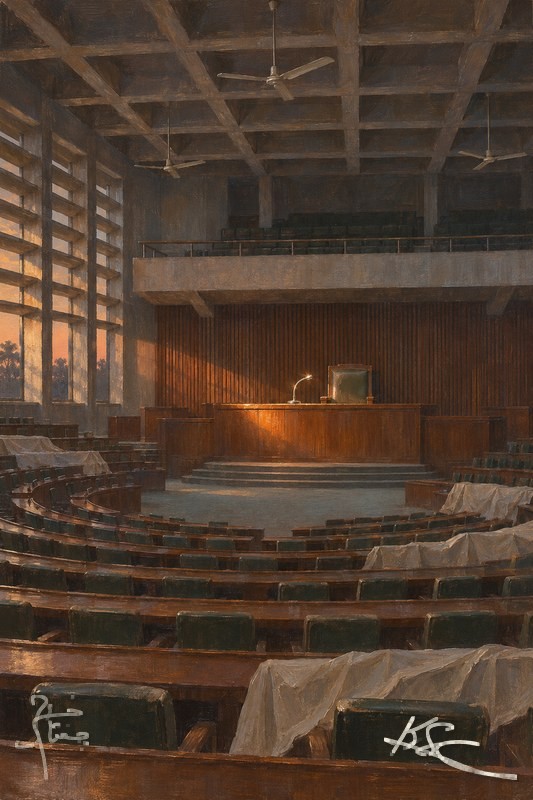
Chapter 71971 and the Failure of the Earlier FederationTopics 166 to 190
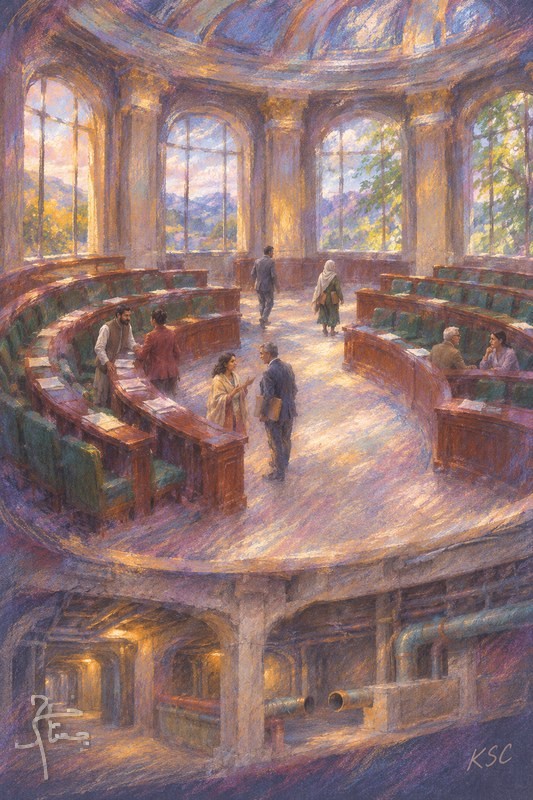
Chapter 8The 1973 Constitutional SettlementTopics 191 to 217

Chapter 9Constitutional Interruptions, Validation and Institutional ReconfigurationTopics 218 to 244

Chapter 10Devolution, Recentralisation and the Post-2000 OrderTopics 245 to 263

Chapter 11The Eighteenth Amendment and the Unfinished Federal SettlementTopics 264 to 284
Part IIITheory and Diagnosis of Public Power

Chapter 12Analysing Public PowerTopics 285 to 307

Chapter 13Authority, Capacity and ControlTopics 308 to 330
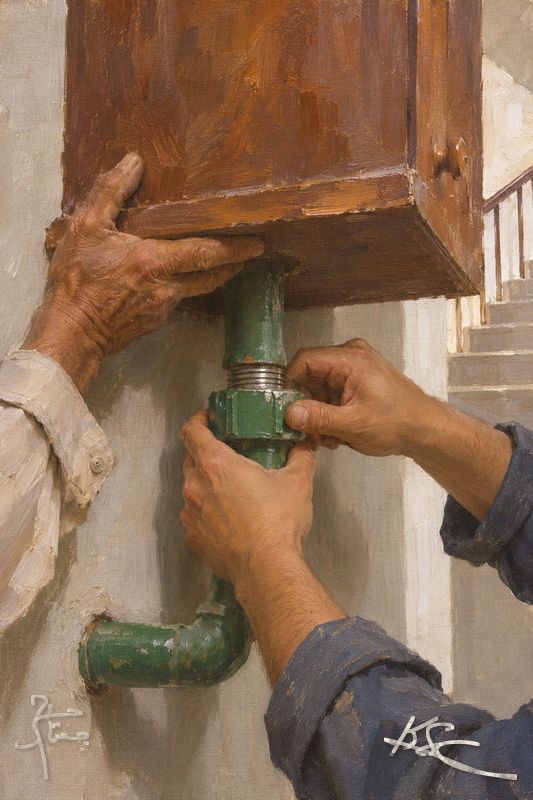
Chapter 14Allocation, Exercise and ReconstitutionTopics 331 to 351

Chapter 15Responsibility, Contestability and Constitutional CorrectionTopics 352 to 378

Chapter 16Reform without Reconstitution across InstitutionsTopics 379 to 402

Chapter 17The Public Power Matrix: Institutions and DecisionsTopics 403 to 424
Book Two
The Constitutional Settlement and the Allocation of Power.
Part IVThe Constitutional Settlement
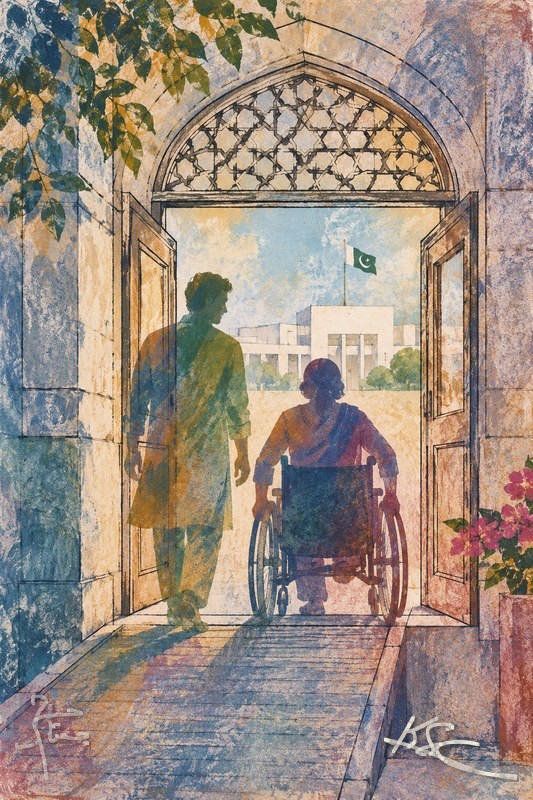
Chapter 18Constitutional Identity, Equal Membership and the StateTopics 425 to 449
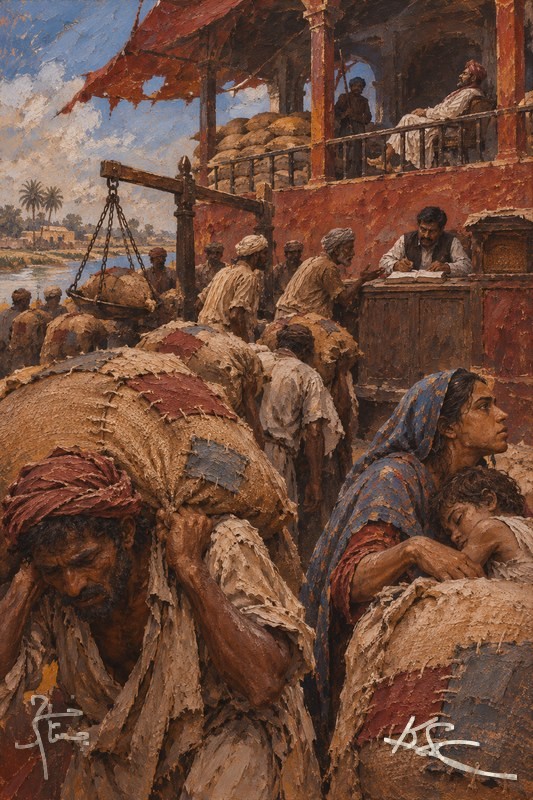
Chapter 19Structural Exploitation and Article 3Topics 450 to 479

Chapter 20Fundamental Rights, Social Citizenship and Effective RemediesTopics 480 to 515
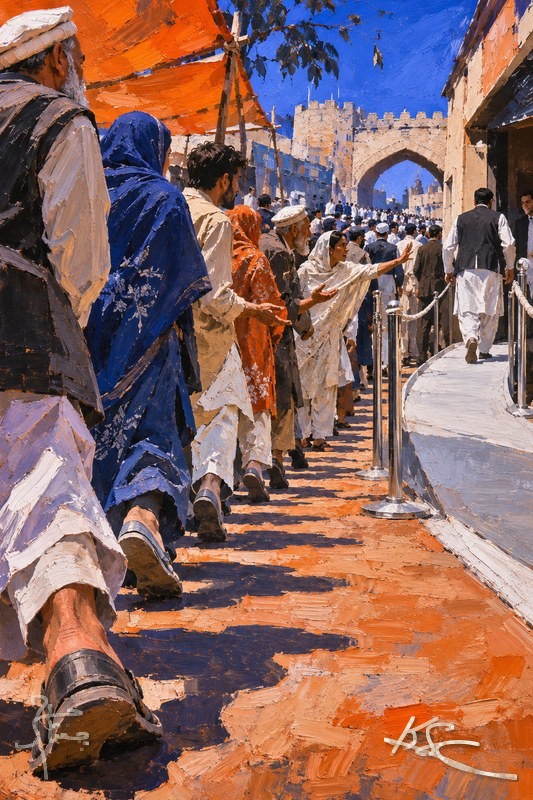
Chapter 21Democratic Authority, Elections and Political CompetitionTopics 516 to 560

Chapter 22Parliament and Legislative AuthorityTopics 561 to 596

Chapter 23Executive Government and Collective ResponsibilityTopics 597 to 630

Chapter 24Constitutional Amendment, Entrenchment and CorrigibilityTopics 631 to 659
Part VFederal, Provincial, Local and Popular Public Power

Chapter 25Federal Public Power and Shared RuleTopics 660 to 666

Chapter 26Provincial Public Power and Provincial AutonomyTopics 667 to 672
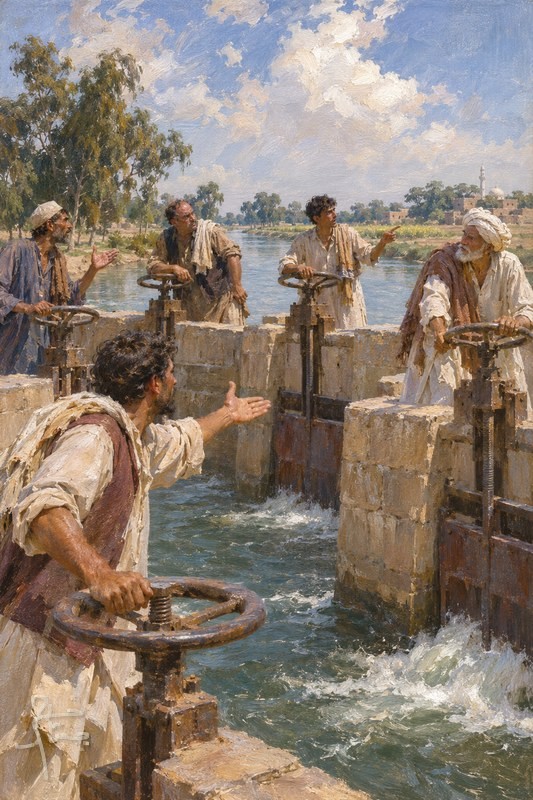
Chapter 27Intergovernmental Power: Councils and Shared AuthorityTopics 673 to 678

Chapter 28Local Self-Government as Constitutional PowerTopics 679 to 685

Chapter 29Metropolitan, District and Municipal GovernanceTopics 686 to 693
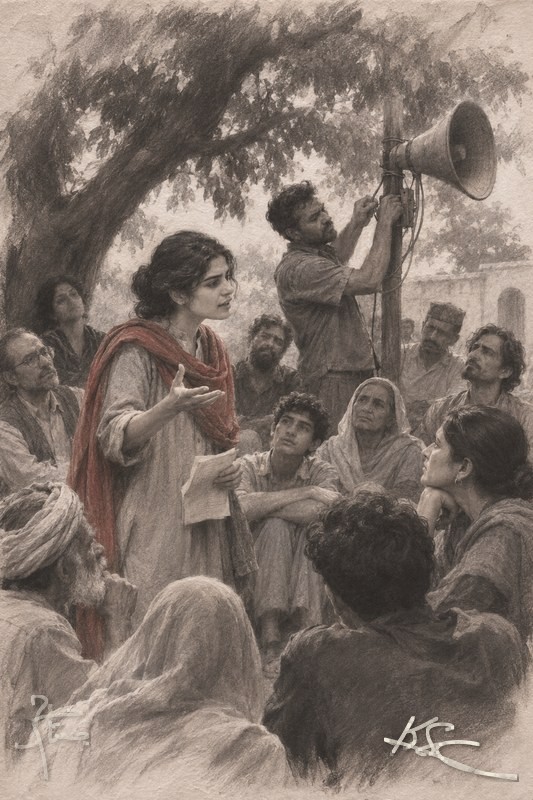
Chapter 30Political Rights and the People’s Public PowerTopics 694 to 707
Part VIAllocation and Reconstitution of Public Power

Chapter 31Principles for Allocating Public PowerTopics 708 to 714
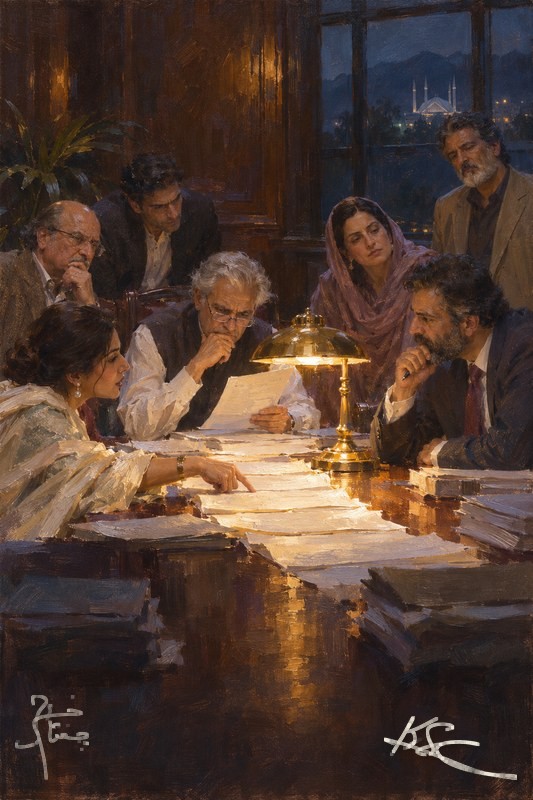
Chapter 32Reconstituting Legislative Power Through Lawmaking, Scrutiny and Executive Norm-MakingTopics 715 to 724

Chapter 33Reconstituting Institutional Integrity: Independent Bodies, Transparency and AccountabilityTopics 725 to 735
Part VIIReconstituting Administrative Power

Chapter 34The Civil Service and the Administrative State: Structure and Reform, 1947–2026Topics 736 to 751

Chapter 35Appointments, Tenure, Transfers and the Bureaucratic Decision ChainTopics 752 to 770

Chapter 36District Administration, Specialisation and State CapabilityTopics 771 to 785
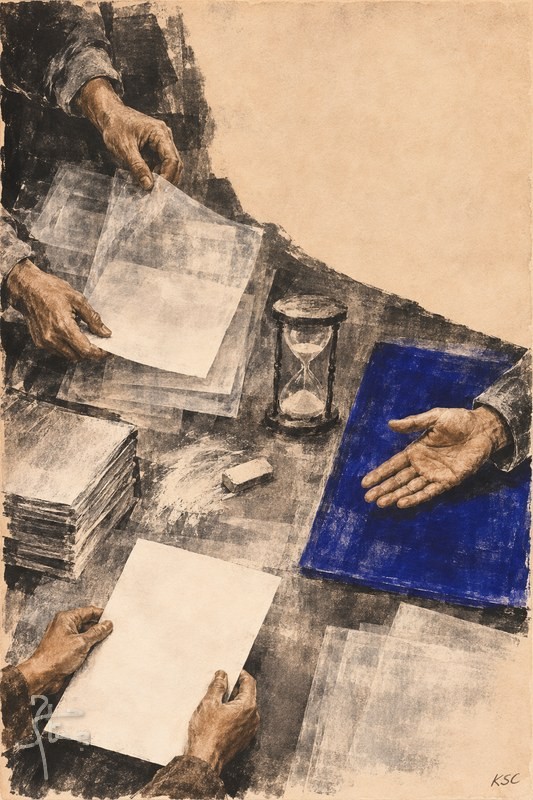
Chapter 37Administrative Fairness, Procedure, Information and RecordsTopics 786 to 792
Book Three
Reconstituting the Constitutional Order.
Part VIIIReconstituting Judicial Power

Chapter 38Constitutional Jurisdiction and Judicial IndependenceTopics 793 to 796
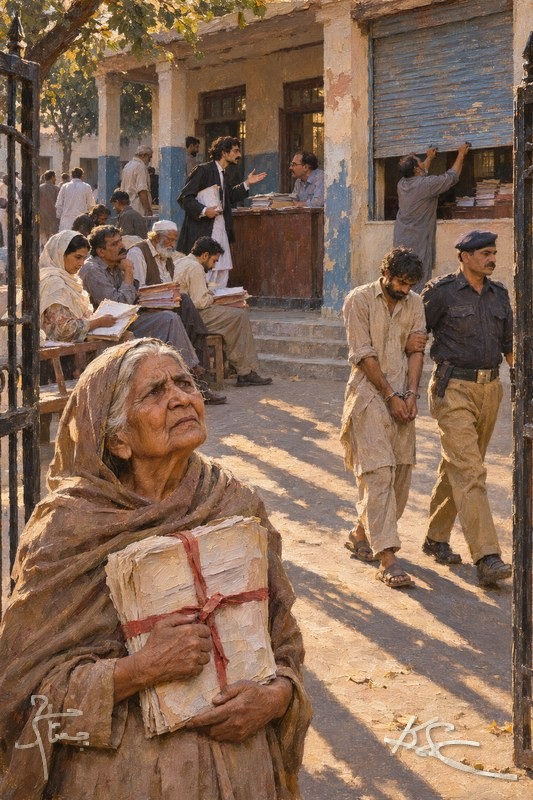
Chapter 39Civil and Criminal Administration of JusticeTopics 797 to 801
Part IXReconstituting Fiscal Power
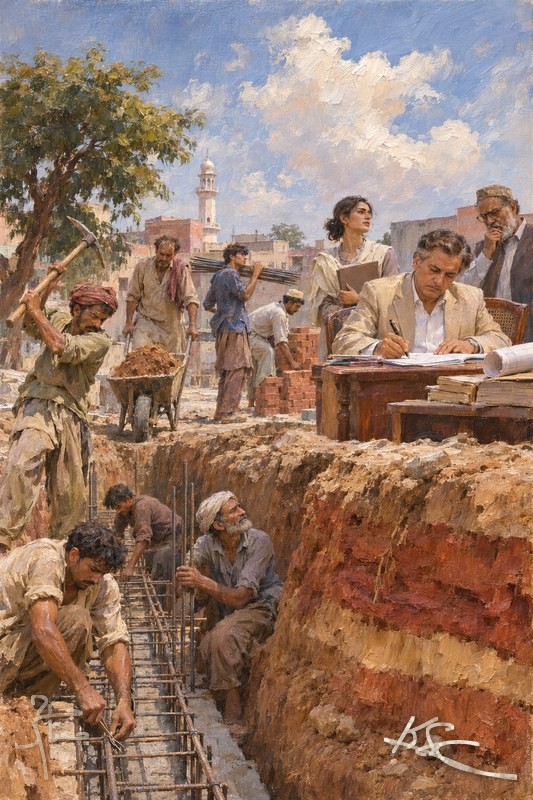
Chapter 40Fiscal Power as Constitutional PowerTopics 802 to 807
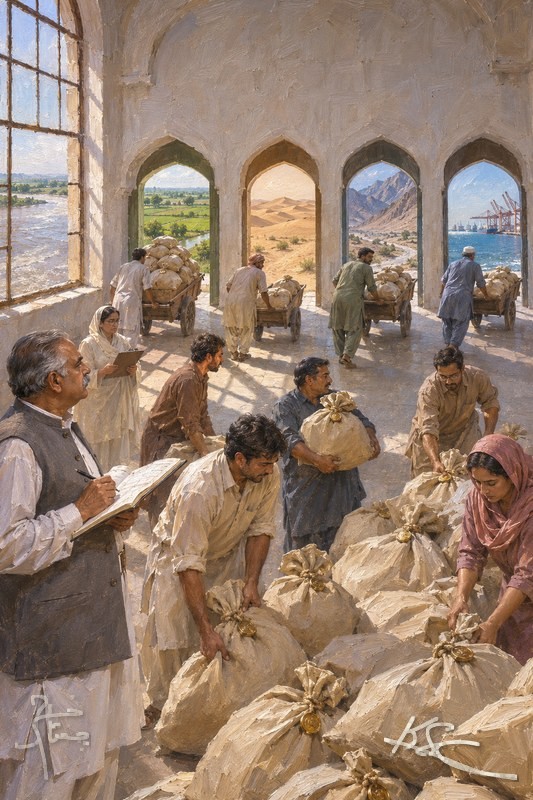
Chapter 41Federal–provincial Fiscal Settlement and the NFCTopics 808 to 815
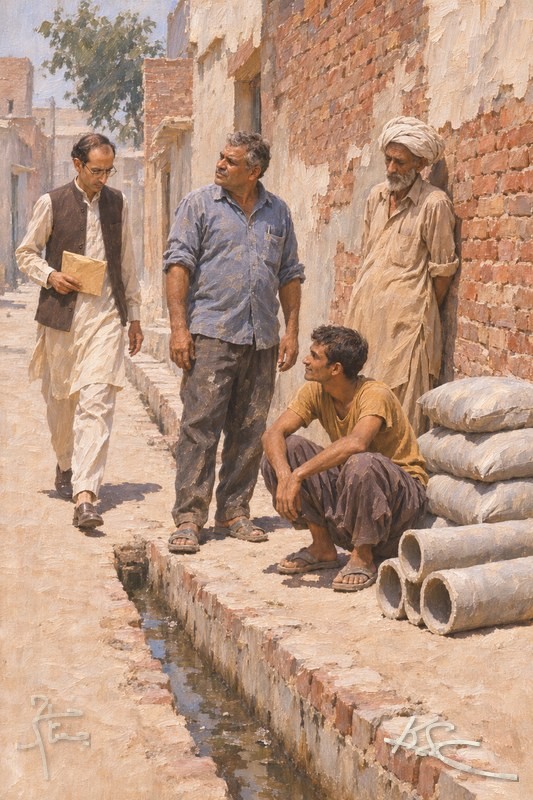
Chapter 42Provincial–local Fiscal Settlement and Local FinanceTopics 816 to 821
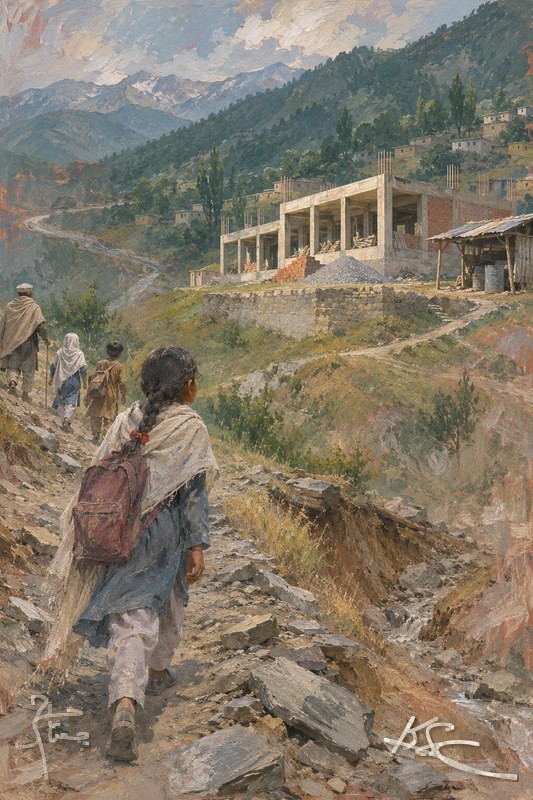
Chapter 43Budgetary Power, Public Investment and Development PlanningTopics 822 to 828

Chapter 44Public Assets, Land, Debt, Guarantees and Public WealthTopics 829 to 835

Chapter 45Land, Labour, Credit, Markets and Economic IndependenceTopics 836 to 842
Part XRedefining and Reorganising Coercive Power, Emergency Government and Rights
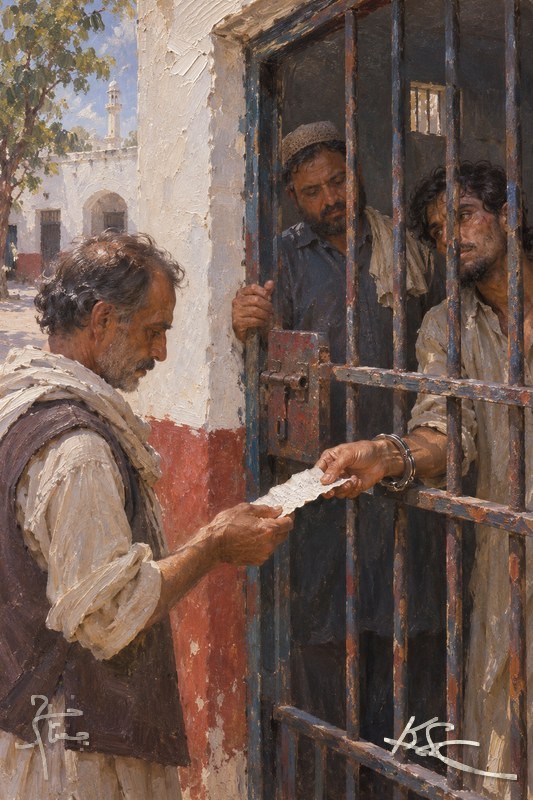
Chapter 46Constitutional Organisation of Coercive PowerTopics 843 to 849

Chapter 47Civilian Constitutional Control and Institutional NeutralityTopics 850 to 856

Chapter 48Expounding National SecurityTopics 857 to 863
Part XITerritorial and Spatial Justice


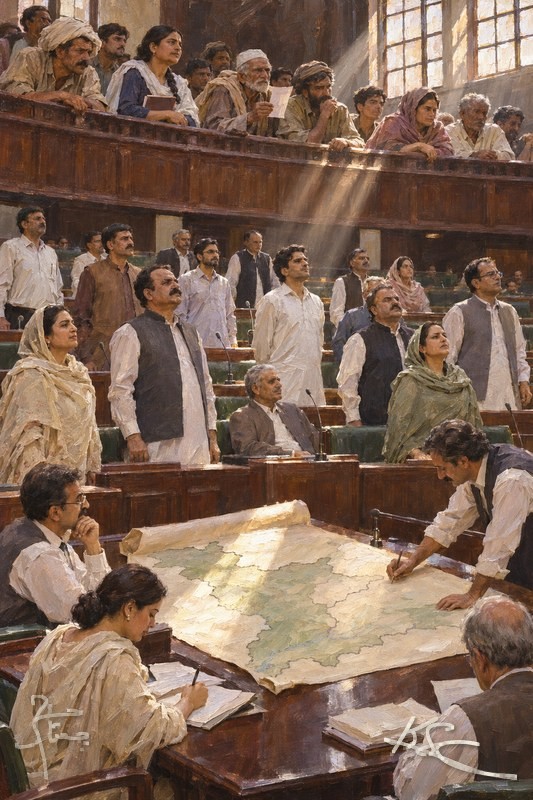


Book Four
The Digital and Intelligent Constitutional Order.
Part XIIDefining and Constituting Digital Power of the State
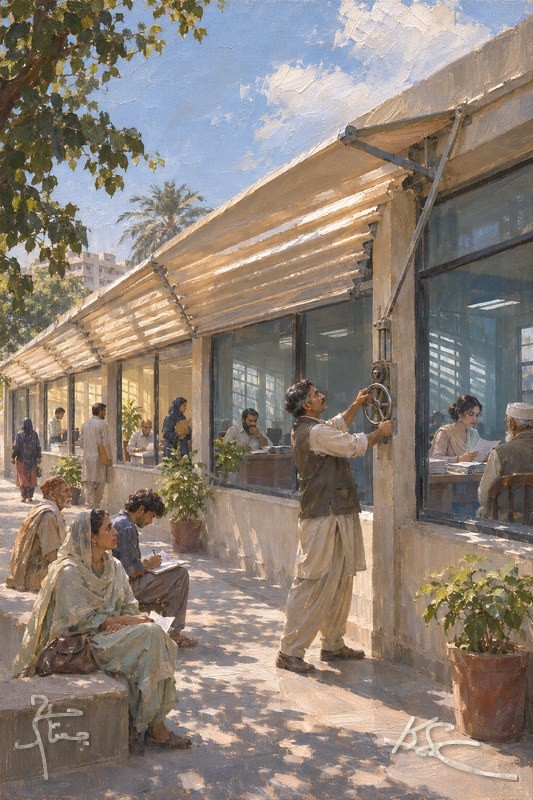
Chapter 54Digital Public Power, Data and Automated AdministrationTopics 900 to 950

Chapter 55Sovereign Intelligence and Constitutional GovernmentTopics 951 to 990

Chapter 56Law Made Executable: The Authoritative Text, Machine-Readable Law and Legal TimeTopics 991 to 1006

Chapter 57Automated Administration and the Electronic Administrative DecisionTopics 1007 to 1043

Chapter 58Change in Systems that Learn: Updates, Feedback and the Reversal of ConsequencesTopics 1044 to 1052
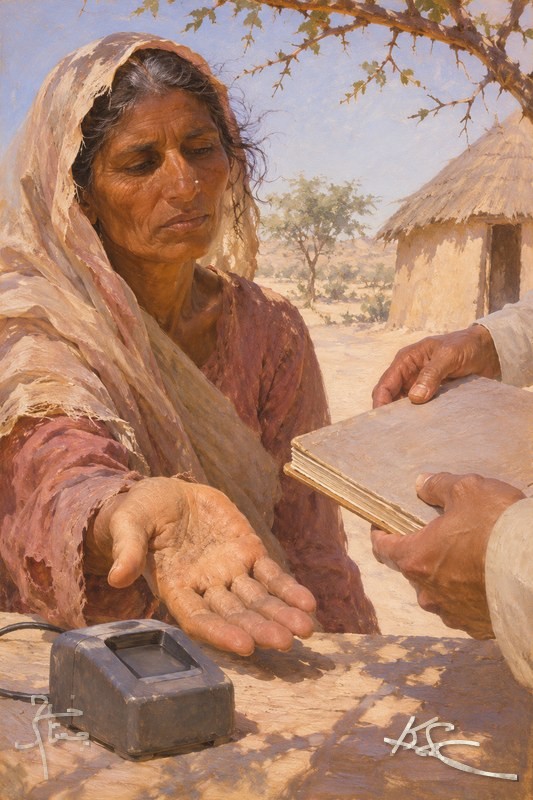
Chapter 59Identity, Registration and the National Database and Registration AuthorityTopics 1053 to 1089

Chapter 60Data, Privacy and Information RightsTopics 1090 to 1129
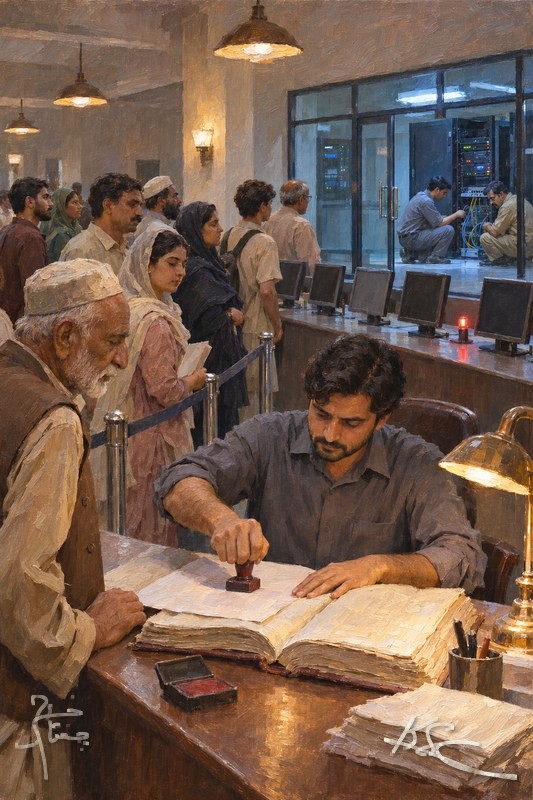
Chapter 61Digital Infrastructure, Procurement, Cyber Security and ContinuityTopics 1130 to 1180

Chapter 62The Person before the Digital State: Inference, Equality, Language and the Non-Digital RouteTopics 1181 to 1193

Chapter 63Online Speech, Platforms, Blocking and ShutdownsTopics 1194 to 1243

Chapter 64Surveillance, Biometrics and the Technology of PolicingTopics 1244 to 1257
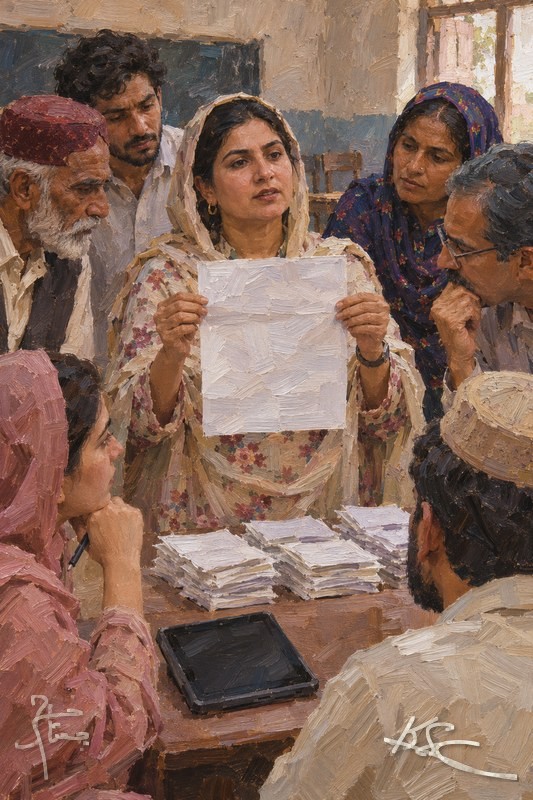
Chapter 65Elections, Electoral Technology and Democratic AuthorityTopics 1258 to 1268
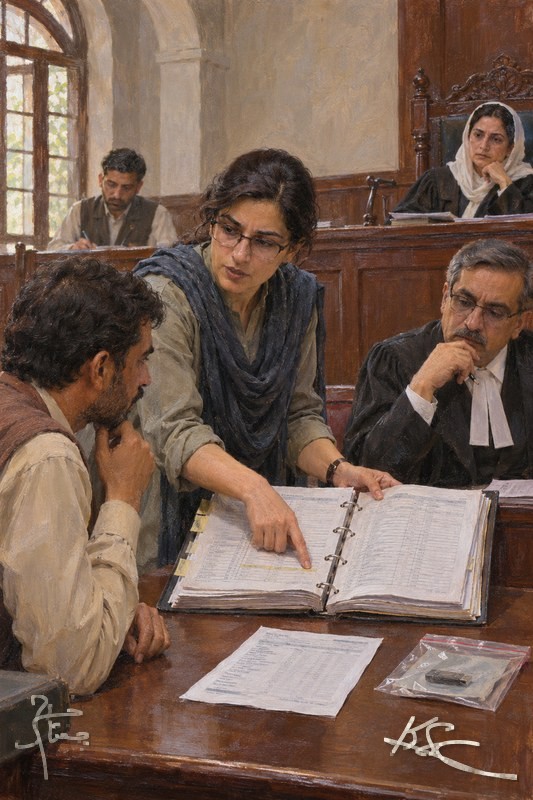
Chapter 66Computational Evidence: Records, Logs and ProofTopics 1269 to 1284

Chapter 67Agents, Generative Systems and Self-Executing CodeTopics 1285 to 1296

Chapter 68Blockchain in Government, Digital Finance and the State’s Digital AssetsTopics 1297 to 1357

Chapter 69Digital Assets beyond the Authority: Property, Money, Tax and the Reach of Pakistani LawTopics 1358 to 1369

Chapter 70Provinces, Local Government and Digital ServicesTopics 1370 to 1415
Chapter 71
Chapter 71The Legislative Void: The Statutes the Digital Constitutional Order RequiresTopics 1416 to 1435
Chapter 72
Chapter 72The Digital Constitutional Order: Principles, Tests and the Position ReachedTopics 1436 to 1442
Book Five
Redefining the Constitutional Order.
Part XIIIRedefining the Constitutional Order

Chapter 73Applying the Public Power TestTopics 1443 to 1449

Chapter 74Institutional Transition and Legal ContinuityTopics 1450 to 1456

Chapter 75Implementing Constitutional ReformTopics 1457 to 1464
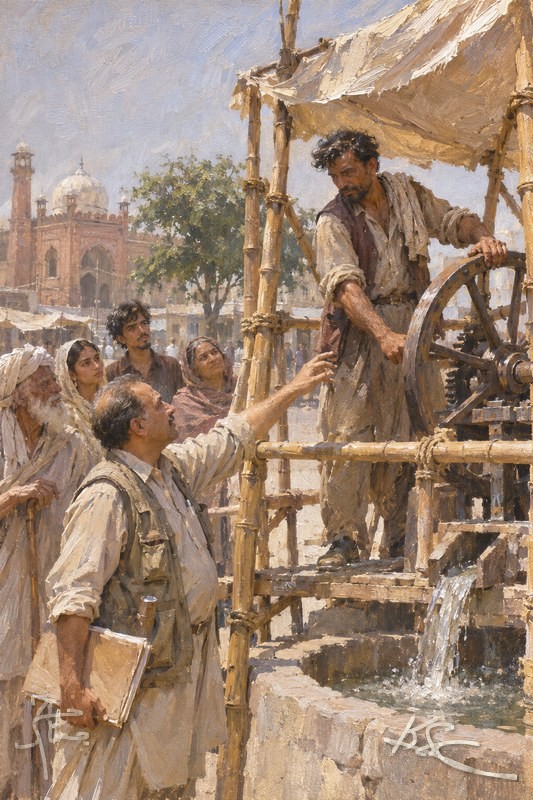
Chapter 76Safeguards Against Reform CaptureTopics 1465 to 1472

Chapter 77Constitutional Reform under Adverse ConditionsTopics 1473 to 1481
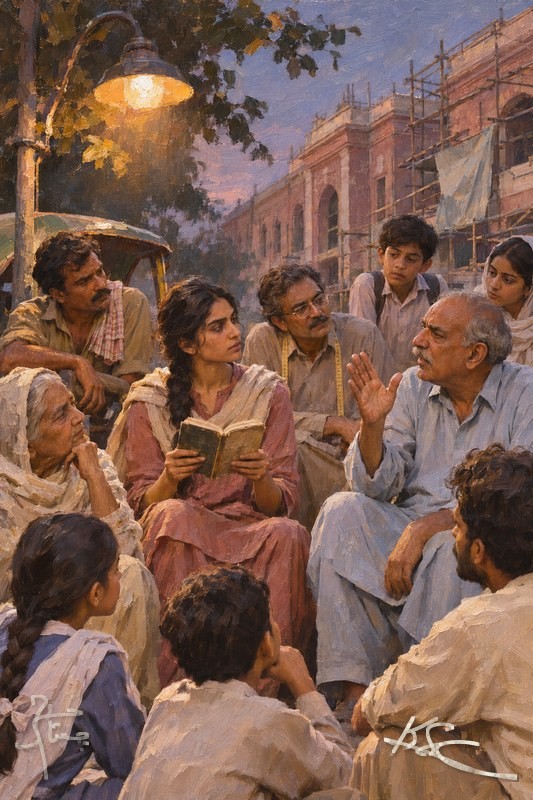
Chapter 78A Continuing Constitutional Order of Correction and RenewalTopics 1482 to 1490